
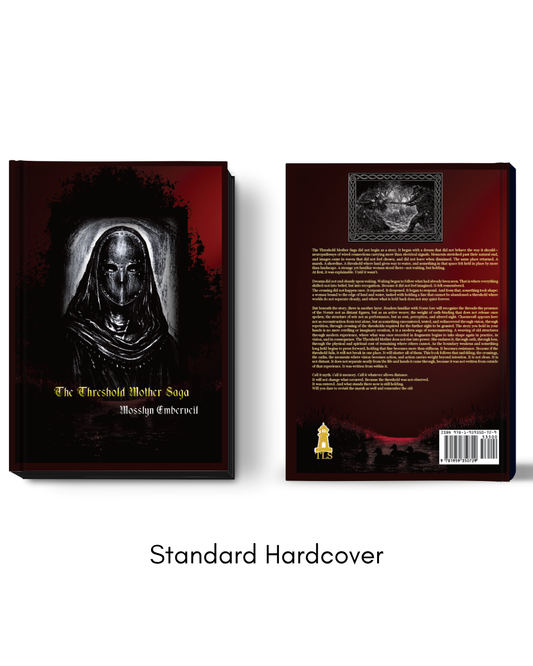
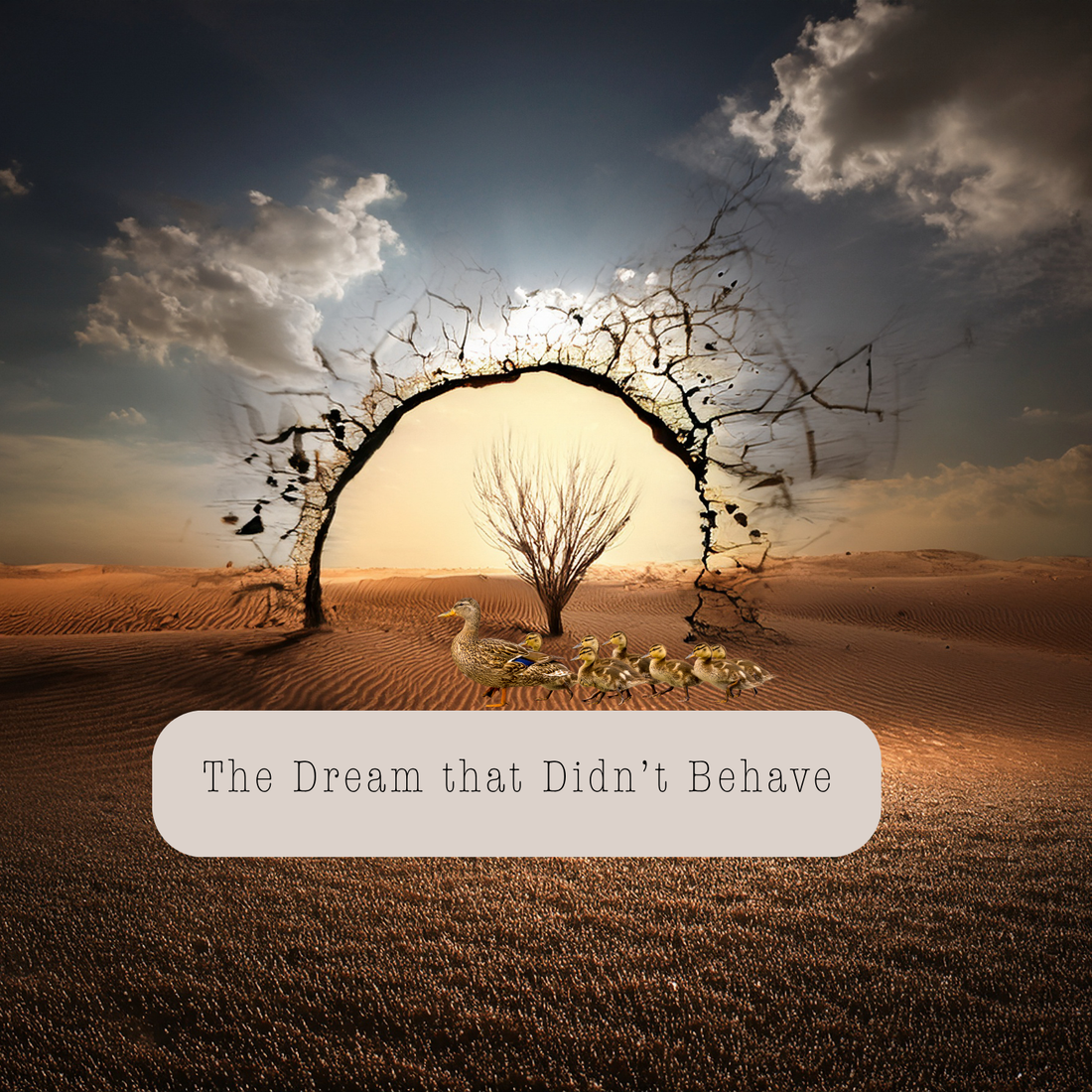

This might sound a bit unconventional, but hear me out. Sometimes the inspiration for our fiction comes not just from imagination, but from something deeper. Our dreams become the canvas on which we paint narratives of worlds that may be more real than we realize. When I wrote The Bone Jar and Riding the Bones, my dream life was the true inspiration and guide—the root from which these concepts emerged. Mosslyn's novel follows a similar path. Her visionary lens, which blurs the line between dream and vision, weaves through this fantastical story layered with rich historical depth. The figure of the Völva has been explored across academic and fictional works, yet few have ventured deeper into understanding this role—what these primarily women practitioners were actually doing, what they were practicing. The truth is, it's nearly impossible to know exactly.
Mosslyn's approach fuses the older sagas—semi-fantastical tales rooted in truth—with modern fantasy, layering in actual ritual practices both ancient and contemporary, such as the living heathen tradition of wearing sacred objects. The Norse Sorceress: Between the Material and Immaterial: Burial Objects and Their Nonhuman Agencies explores how objects carry "agency"—they are living aspects and extensions of our spiritual practice.
"Viking Age Scandinavians incorporated complex ideas about materiality and that nonhuman agency comprised a very real part of how they understood the world. These traditions and practices not only permeated daily life but also extended to spiritual practices and worldviews, based on material and documentary traces. When we expand the 'social' to properly include humans and nonhumans, including the beyond-human-life actors, social relations do not die when nonhumans are placed into the ground or any other depositional context. Instead, nonhumans continue to transform various kinds of social relations and generate meaning long after their deposition. As we think through things, we must remember that the social relations between the human, nonhuman, and supernatural are complex, and especially so in burials."
The wearing of a charm transcends fashion—it is magic in material form, living and an extension of our practice. In The Threshold Mother Saga, these objects and charms connect us not only to gods and goddesses but to the root of power itself, flowing from hand to hand, line to line, voice to voice. They represent a cyclical, eternal chain woven into wyrd and lived through our daily expression.
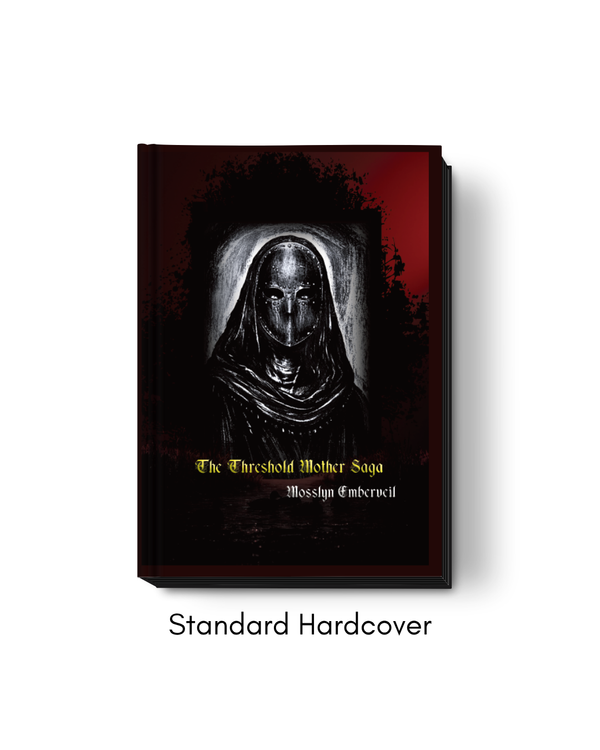
The Threshold Mother Saga is more than a novel; it is a dream and vision connecting us to spaces and times, to the graves of the women labeled evil, witch, and sorceress. It embraces our voices fighting against the social fabric of patriarchy and dismantling the powers that have suppressed us for so long. This is a feminist novel that empowers us to step forward, to speak, to walk into the fires of Gullveig and emerge unburned.


![The Threshold Mother Saga [Behind The Scenes]](http://shop.the3littlesisters.com/cdn/shop/articles/May_0c30f8d4-cc3c-4bd0-951d-c167ffcb612c.png?height=400&v=1777743359)


